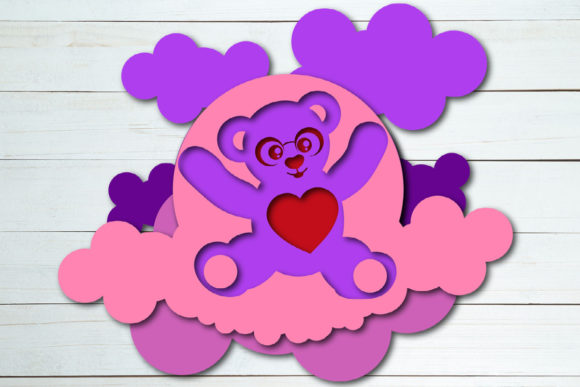
Teddy Bear 3D SVG for Shadow Boxes
As a digital publisher who has spent years curating visual assets for high-traffic blogs and affiliate sites, I approach every new graphic design asset with a critical eye. The market is flooded with generic clipart that dilutes brand identity, so finding a piece that feels both polished and versatile is rare. Today, I am reviewing the Teddy Bear, a 3D SVG illustration designed specifically for shadow boxes and editorial layouts. My goal is to determine if this asset can elevate your content marketing strategy or if it belongs in the "maybe later" folder.
The First Impression: Editorial Mood and Visual Tone
When I first opened the file, the immediate impression was one of warmth and nostalgia, yet rendered with a modern, clean aesthetic. This Teddy Bear illustration does not feel like a dusty relic; instead, it possesses a contemporary charm that fits seamlessly into lifestyle, parenting, and creative niches. The 3D rendering adds depth without overwhelming the viewer, creating a sense of dimensionality that flat vector art often lacks. For publishers targeting audiences interested in home decor, children's education, or sentimental gifting, this asset establishes an instant emotional connection.
The mood it creates is playful yet professional. It strikes a delicate balance between whimsical and trustworthy. In the world of web design, trust is currency. A reader scrolling through a blog post needs to feel that the content creator cares about the details. This Teddy Bear signals attention to detail. It suggests that the website owner invests in quality visuals, which indirectly boosts reader confidence in the information presented on the page. Whether you are running a small business branding campaign or launching a digital product, the visual tone here supports a narrative of care and creativity.
Integrating Into Real Publishing Workflows
The true value of any graphic design asset lies in its versatility across different platforms. I tested this Teddy Bear across several real-world publishing scenarios to see how it performs under pressure. Here is how it translates from a digital download to live content:
- Blog Featured Images: As a hero image, the 3D depth of the bear draws the eye immediately. When paired with a bold headline, it creates a strong visual hierarchy that encourages clicks.
- Pinterest Pins and Social Media Graphics: On vertical platforms, this asset stands out against busy feeds. The clean lines ensure it remains recognizable even at smaller sizes, making it perfect for driving traffic back to your site.
- Newsletter Headers: Email open rates often depend on the subject line and the preview image. Using this Teddy Bear as a newsletter header adds a personal touch that makes your email feel less corporate and more human.
- Digital Guides and Lead Magnets: If you are creating a downloadable resource, such as a printable design guide or a digital workbook, this illustration serves as an excellent cover element. It promises a friendly, accessible reading experience.
- Affiliate Marketing Content: For affiliate marketers promoting toys, gifts, or home decor, this asset provides a cohesive visual anchor. It helps unify disparate product links into a single, branded recommendation list.
Boosting Content Performance Through Design
Why should you invest time in integrating this specific asset? Because visual consistency drives performance. When your blog graphics share a unified style, you build a stronger brand identity. Readers begin to recognize your content instantly, even before they read the title. The Teddy Bear 3D SVG contributes to this by offering a unique visual signature.
Furthermore, the technical quality of the file impacts user experience. The vendor notes that the file is resizable without loss of quality, available in formats including .SVG, .PNG, .Pdf, and .Eps. For a web designer, this is crucial. An SVG format ensures crisp edges on retina displays and high-resolution mobile screens, while the PNG option allows for quick deployment where transparency is needed. This flexibility means you do not have to compromise on quality when resizing for a website header versus a thumbnail. High-quality visuals reduce bounce rates because users perceive the site as faster and more reliable.
Ideal Use Cases for Maximum Impact
To get the most out of this creative design, place it where it can shine. I recommend using the Teddy Bear in hero sections where you have ample white space to let the 3D effect breathe. It works exceptionally well as an editorial accent in long-form articles, breaking up text blocks and guiding the reader's eye down the page. Additionally, it is a fantastic choice for category thumbnails on niche sites focused on family, crafts, or seasonal events. When used in Canva templates for social media posts, it maintains its integrity, ensuring your brand looks professional across all channels.
Where to Exercise Caution
Despite its strengths, this asset is not a universal solution. There are scenarios where the Teddy Bear might detract from your message. Avoid using it in text-heavy blog images where the illustration competes with important information. The intricate details of a 3D SVG can become muddy if the background is too busy or low-contrast. Similarly, if your niche is strictly corporate finance or legal services, this playful character may undermine the serious tone required for reader trust. Always test the asset in black and white to ensure it retains its definition for print materials or grayscale previews. Finally, be mindful of mobile thumbnails; while the SVG scales well, complex 3D shadows can sometimes look cluttered on very small screens.
Practical Publisher Notes and Technical Checks
Before committing this asset to your live site, run through a standard checklist. First, verify the commercial license. Ensure you have the right to use the Teddy Bear on monetized websites, affiliate pages, and paid content products. Second, optimize the file size. Even though SVGs are lightweight, large files can slow down page load times. Compress PNG versions properly for web delivery. Third, conduct a typography test. Place the bear beside serif, sans-serif, script, and display fonts to see which pairing enhances readability. Does it clash with your current brand colors? Adjust the opacity or drop shadow if necessary to improve contrast.
In conclusion, the Teddy Bear 3D SVG is a robust addition to any digital publisher's toolkit. It offers the perfect blend of emotional appeal and technical precision. Whether you are designing a lead magnet, updating your website header, or crafting the next viral Pinterest pin, this asset provides the visual polish needed to stand out in a crowded marketplace. By leveraging high-quality design assets like this one, you signal to your audience that your content is worth their time, attention, and trust.