Monkey 3D SVG: A Shadow Box Brand Review
As a brand designer who has spent years curating visual identities for small businesses and digital entrepreneurs, I approach every new graphic design asset with a critical eye. The market is flooded with generic clipart, making it difficult to find illustrations that truly elevate a campaign. Recently, I encountered a unique piece titled Monkey, described as a high-quality illustration available in multiple formats including .SVG, .PNG, .Pdf, and .Eps. The vendor notes that this is a resizable file without loss of quality, which immediately signals its potential for professional branding. In this review, I will examine how Monkey performs as a creative design tool within real-world marketing scenarios, specifically focusing on its application in Shadow Boxes and its utility as a versatile 3D SVG element.
First Impressions: Mood, Tone, and Audience Perception
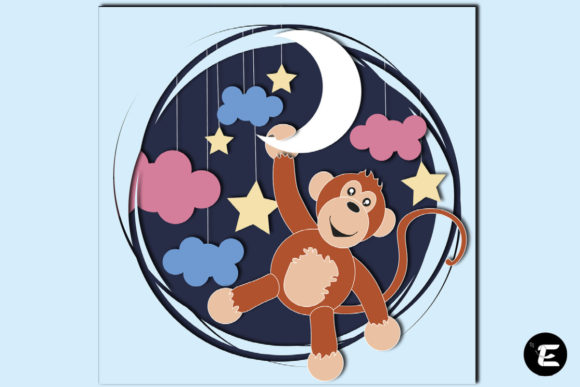
When I first opened the preview files, the immediate impression was one of playful sophistication. Unlike flat, two-dimensional icons that often feel dated, the depth provided by the 3D SVG style gives the Monkey illustration a tangible presence. This depth creates a mood that is both engaging and friendly, making it an excellent candidate for brands targeting families, educators, or lifestyle audiences. For a content marketer, the emotional tone is crucial; this asset feels approachable yet polished enough to avoid looking messy or unprofessional.
The illustration works exceptionally well for casual branding but can also be adapted for premium visuals if paired with the right color palette. It evokes a sense of curiosity and energy, which are vital for capturing attention in a crowded social media feed. Whether you are building a content kit for a seasonal offer or refreshing your Instagram grid, the Monkey asset brings a dynamic element that static photos often lack. It suggests a brand personality that is fun, agile, and confident—traits that resonate deeply with modern consumers.
Integrating Monkey into Real Marketing Workflows
To test the practical value of this digital product, I imagined a specific scenario: a small business launching a new line of eco-friendly children's toys. The goal was to create a cohesive visual identity that stood out on Pinterest and Facebook ads without overwhelming the viewer. I began by placing the Monkey illustration into various mockups to see how it held up across different mediums.
In the context of packaging design, the Monkey served as a perfect hero graphic. Its clean lines and distinct shape made it ideal for product labels, where space is limited but impact is essential. Because the file is resizable without loss of quality, I could scale it down for a small sticker on the box or blow it up for a large event banner. This scalability is a hallmark of professional branding and ensures consistency across all touchpoints.
For social media graphics, the asset shone brightly. I used the PNG version to overlay the Monkey onto vibrant backgrounds for Instagram posts and story templates. The illustration added a layer of visual hierarchy, guiding the viewer's eye toward the call-to-action text. When creating Canva templates for my client, the Monkey became a signature element that tied the entire campaign together, reinforcing brand recognition with every post.
Strategic Applications for Brand Growth
The versatility of the Monkey illustration extends far beyond simple decoration. As a strategic graphic design asset, it supports several key marketing goals:
- Stronger First Impression: In digital ads, users decide within seconds whether to engage. The unique 3D nature of this Monkey grabs attention faster than standard vector art.
- Clearer Visual Hierarchy: By using the illustration as a focal point, designers can organize information more effectively, ensuring the main message is not lost.
- Better Product Presentation: On e-commerce sites, the Monkey adds life to product pages, making the shopping experience more immersive.
- Improved Audience Trust: High-quality, original-looking assets signal professionalism, which builds credibility with potential customers.
- Emotional Connection: Characters like Monkey humanize a brand, fostering a deeper bond with the audience compared to abstract logos.
This asset is particularly effective for hero graphics, campaign headers, and promotional banners. It also serves as a fantastic decorative brand element in editorial layouts or media kits. For digital sellers and online coaches, incorporating Monkey into lead magnets or email banners can significantly boost open rates and engagement.
Where to Exercise Caution
While the Monkey illustration is powerful, it is not a universal solution. As a brand designer, I must advise caution when applying it to formal corporate branding. The playful nature of the character might clash with the serious tone required for legal firms or financial institutions. Additionally, in dense information layouts or text-heavy ads, the illustration could compete with the main message, distracting the reader rather than supporting them.
It is also important to consider the background. The Monkey should not be placed on low-contrast backgrounds where its details might get lost. Similarly, for overly minimal brands that rely on stark simplicity, adding a detailed 3D SVG might disrupt the aesthetic balance. Always test the asset in small mobile graphics to ensure readability; sometimes, intricate details can become muddy on smaller screens.
Practical Designer Notes for Implementation
Before integrating Monkey into any paid campaign or client work, follow these practical steps to ensure success:
- Test with Your Palette: Apply your brand colors to the SVG to see how they interact with the existing shading of the 3D design.
- Check Black and White Usage: Ensure the illustration remains recognizable in grayscale for print materials or monochrome applications.
- Preview on Mobile: View the design on actual devices to confirm it scales correctly and maintains clarity.
- Font Pairing: Experiment with different typefaces. The Monkey pairs surprisingly well with bold sans serif fonts for a modern look, or handwritten fonts for a whimsical feel. Avoid pairing it with overly ornate display fonts that might fight for attention.
- Review Spacing: Give the character enough breathing room. Crowding it with text reduces its impact.
- Verify Licensing: Confirm that you have a commercial license before using the asset in business branding or selling it as part of a design bundle.
By following these guidelines, you can leverage the Monkey illustration to create marketing visuals that are both beautiful and effective. Whether you are designing merchandise, creating printable promotions, or building a comprehensive brand identity, this asset offers the flexibility needed for today's fast-paced digital landscape.
Final Verdict on the Monkey Design Asset
In conclusion, the Monkey illustration stands out as a robust addition to any creative marketplace collection. Its availability in .SVG, .PNG, .Pdf, and .Eps formats ensures that it fits seamlessly into diverse workflows, from web design to physical packaging. The ability to resize the file without loss of quality makes it a future-proof investment for growing businesses.
For brand owners, marketers, and content creators looking to inject personality into their campaigns, this 3D SVG offers a compelling solution. It transforms ordinary marketing materials into memorable experiences that resonate with audiences. While it requires thoughtful placement to avoid visual clutter, when used correctly, Monkey becomes more than just an image—it becomes a cornerstone of your visual storytelling. If you are ready to elevate your small business branding and create professional, engaging content, this graphic design asset is definitely worth exploring.