Chinese Dragon 3D Layered SVG Cut File Review
As a designer who has spent years navigating the intersection of digital assets and tangible textile work, I approach every new file with a critical eye. The market is flooded with generic shapes, but finding a design that balances visual impact with technical feasibility is rare. Recently, I examined the Chinese Dragon 3D Layered SVG Cut File from CraftyKittySVG. While the product description highlights its utility for Wall Decor and Laser Cutting, my primary interest was to evaluate how this specific asset translates into high-quality embroidery for custom apparel and handmade goods.
First Impressions: Visual Weight and Cultural Depth
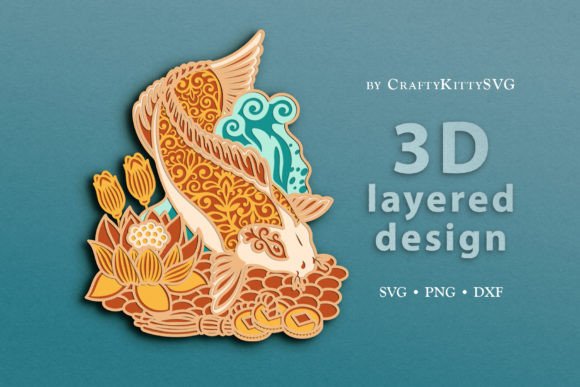
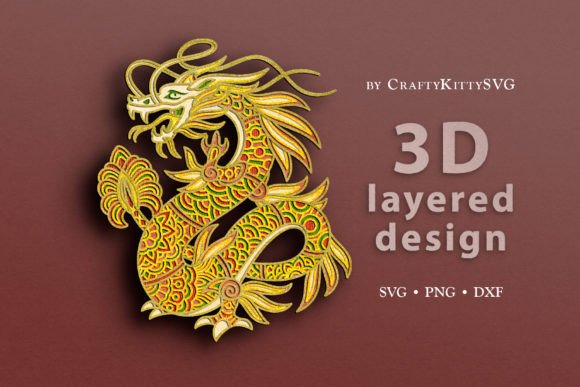
The moment I opened the preview files, the mood of the design became apparent. This is not a cartoonish representation; it carries the weight and majesty associated with traditional Chinese dragon iconography. The "3D Layered" aspect mentioned in the title suggests depth through overlapping elements rather than just flat vector lines. For an embroidery project, this layering is crucial. It allows for distinct separation between scales, claws, and the serpentine body, which can be translated into varied stitch types.
In a professional setting, the visual personality of the Chinese Dragon 3D Layered SVG Cut File feels premium. It screams boutique quality rather than mass-produced novelty. If I were curating a collection for a small shop product line, this design would immediately elevate the perceived value of the finished item. The intricate details suggest that this is best suited for projects where the customer expects a statement piece, such as a high-end sweatshirt embroidery or a decorative pillow cover intended for living room display.
Translating Layers to Stitch Types
When converting a layered SVG into a machine embroidery design, the challenge lies in managing the transitions between layers. With six distinct layers provided in the zip archive, there is significant flexibility in how we construct the final image. I envision using a combination of fill stitch for the main body of the dragon to create a solid, vibrant base, while reserving satin stitch for the finer details like the whiskers, horns, and individual scales.
This approach ensures that the design does not look muddy when stitched. The running stitch could be employed for subtle outlines or texture within the fill areas, adding a handcrafted feel that distinguishes the work from standard computerized patterns. However, because the source file is a vector-based cut file, it is essential to check the node count before digitizing. Too many nodes in the curves can lead to jagged edges in the final machine embroidery design. A skilled digitizer will need to smooth these paths to ensure the flow of the dragon remains organic and fluid on fabric.
Real-World Application: The Custom Sweatshirt Scenario
Let's consider a practical scenario: a client wants a personalized gift featuring this dragon motif on a heavy cotton sweatshirt. The Chinese Dragon 3D Layered SVG Cut File offers enough detail to cover a large chest area or a full back panel without losing definition. In this context, the design works exceptionally well because the bold lines and layered structure hold up against the texture of fleece or French terry.
Imagine the finished product sitting on a shelf in an Etsy listing. The contrast of metallic gold thread against a deep navy blue sweatshirt would make the dragon pop, leveraging the layered nature of the design to create a sense of movement. Customers looking for custom apparel often seek unique cultural symbols that tell a story. This design fits that narrative perfectly, offering a level of sophistication that simple clipart cannot match. It transforms a basic garment into a collectible handmade product.
Navigating Fabric Challenges and Hoop Constraints
Despite its strengths, the Chinese Dragon 3D Layered SVG Cut File requires careful consideration regarding fabric choice and hoop size. The intricate details mean that this design should not be attempted on thin or highly stretchy fabrics like jersey knit without significant stabilization. On textured fabrics, such as linen or canvas, the fine details might get lost unless the stitch density is adjusted upward.
I strongly advise testing the design on scrap fabric first. The complexity of the dragon means that if the hoop size is too small, you risk distorting the proportions of the head or tail. For a full version of this design, a large hoop (10x10 inches or larger) is likely necessary to maintain the integrity of the curves. Additionally, when working with dark fabrics, the use of a water-soluble stabilizer or tear-away backing becomes non-negotiable to prevent the threads from sinking into the weave, which would dull the vibrancy of the thread colors.
Commercial Viability for Small Business Owners
For the Etsy seller or creative entrepreneur, the versatility of this file is a major selling point. Because it comes in vector formats compatible with Cricut Design Space and Glowforge, it opens doors beyond just embroidery. You could potentially use the same design for applique design techniques, cutting the fabric layers separately and stitching them down for a dimensional effect. This hybrid approach combines the precision of laser cutting with the softness of embroidery, creating a unique finished product that stands out in a crowded marketplace.
However, before launching a commercial line, always confirm the licensing terms. Ensure that the digital product license allows for the sale of finished physical items. Assuming the license permits commercial use, this design is excellent for building brand consistency. Whether used on a tote bag design, a baby onesie for a New Year celebration, or a holiday embroidery set, the recognizable imagery helps customers identify your brand style instantly.
Designer Tips for Success
To get the most out of the Chinese Dragon 3D Layered SVG Cut File, follow these practical steps:
- Test Color Contrast: Before committing to expensive thread, run a black and white mockup to see how the layers interact visually. High contrast is key for readability.
- Check Stitch Density: Dense areas in the dragon's body may require underlay stitches to prevent puckering, especially on medium-weight fabrics.
- Inspect Small Details: Zoom in on the claws and eyes. If they are too small for your machine's needle capability, simplify those vectors slightly during the digitizing process.
- Stabilize Properly: Use a cut-away stabilizer for garments that will be washed frequently to ensure the longevity of the embroidered patch or direct application.
- Mockup Variations: Create printable mockups showing the design on both light and dark backgrounds to help customers visualize the final result.
In conclusion, the Chinese Dragon 3D Layered SVG Cut File is a robust asset for designers willing to put in the technical effort to adapt it for textiles. While it is marketed heavily for Wall Decor and Laser Cutting, its potential in the realm of commercial embroidery is substantial. With the right fabric selection, proper stabilization, and thoughtful digitizing, this design can become a cornerstone of a successful craft business, delivering a product that feels both culturally rich and professionally executed.