4th of July Layered Papercut 7 Svg Eps Review
As a designer who has spent years navigating the intersection of digital assets and physical stitching, I approach every new file with a mix of excitement and skepticism. The market is flooded with generic patterns that look great on a screen but fall apart under the needle. When I first opened the 4th of July Layered Papercut 7 Svg Eps, my initial thought was about its origin. This is clearly a design born for Laser Cutting and Signs, characterized by sharp angles, distinct layers, and a bold, flat aesthetic. The challenge, and the opportunity, lies in translating that crisp papercut logic into a tactile machine embroidery design.
The First Impression: Translating Layers to Thread
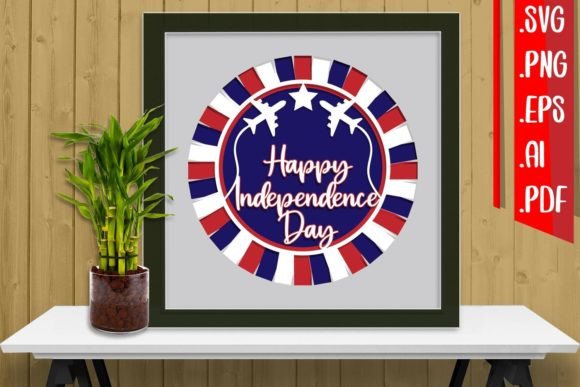
The visual personality of this file is immediately striking. It captures the patriotic spirit without relying on cliché stars and stripes. Instead, it uses depth and shadow to create a sense of dimension, which is exactly what you want for a holiday embroidery project that needs to stand out on a crowded craft fair table. The layout is balanced, but as an experienced embroiderer, I immediately started mentally mapping the stitch density. In a papercut or laser-cut context, negative space is empty air. In embroidery, that same negative space must be filled with satin stitches, fill stitches, or running stitches to maintain structural integrity.
When I consider using this for a custom apparel line, specifically for a limited-edition sweatshirt run, the layered nature suggests a need for careful color blocking. The design does not rely on fine gradients; it relies on solid blocks of red, white, and blue. This is excellent news for thread management. You can achieve high contrast with standard polyester threads, ensuring the finished product looks vibrant even after multiple washes. However, the sharp corners inherent to the papercut style require attention. A machine cannot turn a corner as sharply as a laser beam, so some manual digitizing adjustments will likely be necessary to prevent puckering or thread bunching at the vertices.
Real-World Application: From Tote Bags to Patches
Let's talk about a specific scenario. Imagine you are an Etsy seller preparing for the summer rush. You have a batch of heavy-duty canvas tote bags ready for decoration. The 4th of July Layered Papercut 7 Svg Eps is perfect here. Because the design is bold and graphic, it translates beautifully onto textured fabrics like canvas or denim. The "layers" in the design can be interpreted as different stitch types—perhaps a wide satin border for the outer layer and a tight fill stitch for the inner details. This creates a rich texture that invites customers to touch the bag, increasing the perceived value of your handmade product.
I also see immense potential for creating an embroidered patch. If you hoop this design onto felt or stabilizer, cut it out, and then sew it onto a cap or jacket, you get a professional, boutique-quality accessory. The geometric precision of the original digital product ensures that when scaled down for a hat, the details remain legible. Unlike floral designs that can get muddy at small sizes, the clean lines of this papercut style hold their own. This makes it a versatile asset for any craft business looking to diversify their inventory with both large-format items like pillow covers and smaller accessories like keychains or apron accents.
Navigating the Challenges: Fabric and Hoop Considerations
While the design is robust, it is not without its pitfalls if applied blindly. The most critical factor is the hoop size. Because this is a layered design intended to look deep, cramming it into a tiny 4x4 inch hoop might compress the elements too much, losing the visual separation between layers. I would recommend testing the design on scrap fabric first to determine the minimum viable size where the layers still appear distinct. If you are working with stretchy fabrics like jersey knit for t-shirts, the tension required for the dense areas could cause the fabric to pucker. Using a tear-away stabilizer or even a cutaway option is non-negotiable here to support the weight of the thread.
Another area of caution is dark fabric. While the red, white, and blue palette works well on navy or black backgrounds, the white sections of the design will require significant coverage. If you are doing applique design work alongside the stitching, ensure the backing material is thick enough to block the dark fabric underneath. For thin fabrics, such as baby clothes or lightweight tea towels, the density of the fill stitch needed to mimic the solid papercut look might make the garment stiff. In these cases, I would suggest reducing the stitch count or using a lighter running stitch outline to soften the effect while maintaining the design's identity.
Practical Designer Notes for Commercial Success
Before you commit this file to your production schedule, there are a few practical steps to take. First, verify the licensing. The listing mentions this is a digital download containing SVG, EPS, AI, PNG, and PDF files. As a small shop owner, you must confirm whether you are allowed to sell the finished embroidered items commercially. Many designers offer personal-use licenses only, so double-check the terms before launching a commercial embroidery campaign.
Secondly, test your thread colors against the background fabric. What looks like a bright red on your monitor might appear duller on a cream-colored cotton shirt. Create a printable mockup in black and white to check the contrast levels before you even load the machine. Finally, inspect the small details. The intricate corners of the papercut style are where machines often struggle. If you find the design is skipping stitches or pulling threads during your test run, do not hesitate to adjust the digitizing settings or add a few extra anchor points to secure the shape.
Final Verdict: A Versatile Asset for the Season
The 4th of July Layered Papercut 7 Svg Eps is more than just a decorative file; it is a strategic tool for designers who understand how to bridge the gap between digital art and textile craft. Its strength lies in its clarity and boldness, making it ideal for personalized gifts, holiday decor, and branded merchandise. While it requires a thoughtful approach to digitizing and fabric selection, the end result is a finished product that feels premium and professionally executed. For those of us looking to elevate our design assets beyond the ordinary, this file offers a fresh, modern take on a classic theme. Just remember to respect the physics of thread and fabric, and you will create something truly memorable for your customers.