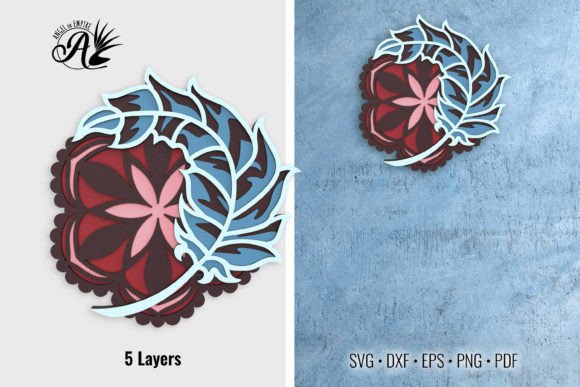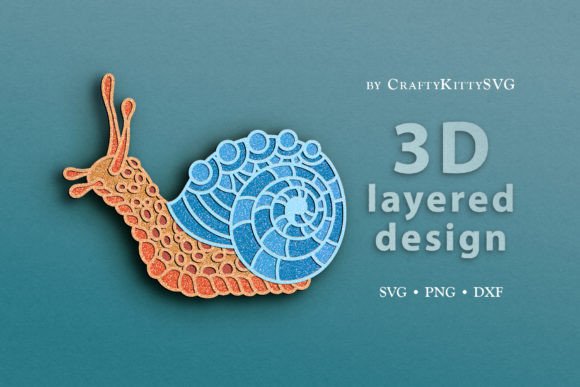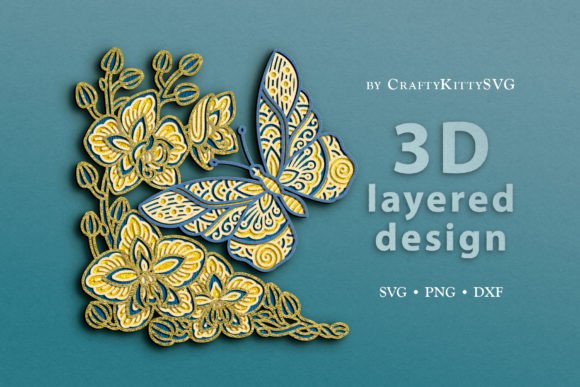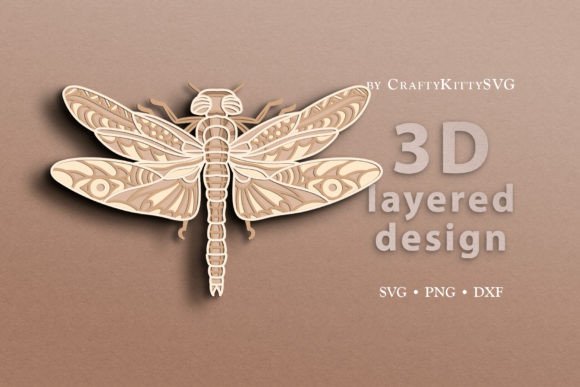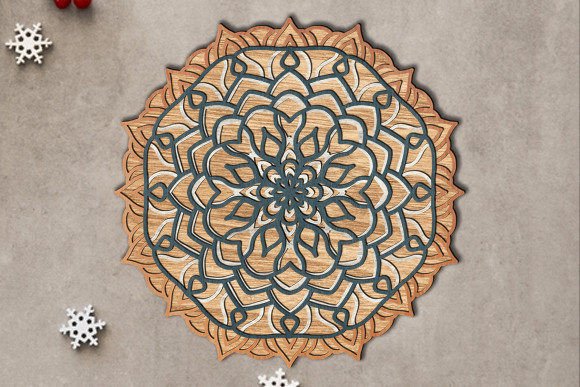
3D Layered Mandala Laser Cut for Wall Decor
As a graphic designer who has spent years navigating the intersection of digital assets and physical production, I approach every new file with a critical eye. When I first opened the 3D Layered Mandala Laser Cut files, my immediate reaction was one of professional curiosity. This is not merely another decorative clipart; it is a sophisticated graphic design asset that bridges the gap between intricate digital illustration and tangible craftsmanship. The visual mood is immediately established as serene yet complex, evoking a sense of balance and organic flow that resonates deeply with modern bohemian aesthetics.
I am currently preparing a comprehensive brand identity package for a boutique handmade business launching a new line of wellness products. The client wants their packaging and retail space to feel grounded, spiritual, and high-end without being overly corporate. In this context, the 3D Layered Mandala Laser Cut presents a compelling solution. Unlike flat vector art that often lacks depth, this multilayer layout offers a structural richness that translates beautifully from screen to physical reality. It feels like a premium creative design element capable of elevating a simple product into a collectible experience.
Visual Impact in Real-World Branding Scenarios
The true test of any digital product is its versatility across various mediums. When I began integrating the mandala into our concept boards, I found it performed exceptionally well in scenarios requiring a focal point. For the client's packaging design, the layered nature of the file allows for embossing or die-cutting techniques that add tactile value. Imagine a luxury box where the lid features a cut-out section revealing a contrasting inner layer; the 3D Layered Mandala Laser Cut provides the precise geometry needed for this effect.
Beyond packaging, the asset shines in marketing visuals and social media graphics. On platforms like Instagram and Pinterest, where visual hierarchy is paramount, the intricate details of the mandala create a "stop-scroll" moment. However, it requires careful placement. As a designer, I recommend using it as a hero graphic for landing pages or editorial spreads rather than a background texture. When used as a central element in a Canva template or an editorial design layout, it commands attention and reinforces the brand's commitment to quality and detail.
For those venturing into print-on-demand or creating Etsy products, this asset opens doors to unique merchandise. A t-shirt design featuring a subtle, monochromatic version of the mandala can convey sophistication, while a full-color, vibrant iteration works perfectly for tote bags or mugs. The key is understanding that this is a statement piece. It should not compete with typography but rather frame it, enhancing the overall message of the brand.
Optimal Applications for Maximum Effect
To get the most out of the 3D Layered Mandala Laser Cut, designers must identify the right canvas. This asset thrives in large layout areas where its complexity can be fully appreciated. It is ideal for product mockups intended to showcase premium goods, decorative accents on website headers, or themed collections for seasonal campaigns. If you are designing invitations for a wedding or a high-end event, the mandala serves as a stunning centerpiece that conveys elegance and tradition simultaneously.
In the realm of physical decor, the file's specific design for Laser Cutting makes it a powerhouse for Wall Decor. The description notes that these are multilayer layout files designed for CNC router machines and other cutting tools. This means a small business owner could produce actual 3D wall art pieces, stacking different layers of wood or acrylic to create shadow play and depth. This transforms a simple digital download into a tangible, sellable item for a handmade business. The transition from a 2D screen to a 3D object is seamless, provided the file integrity is maintained.
Furthermore, for brand identity work, the mandala can serve as a secondary logo mark or a pattern element for stationery. Its symmetrical nature ensures it looks balanced regardless of orientation, making it reliable for consistent application across touchpoints. Whether it is a sticker design for laptop decals or a watermark for digital content, the asset maintains its structural integrity.
Strategic Limitations and Design Caution
While the 3D Layered Mandala Laser Cut is versatile, it is not a universal fix. There are specific contexts where this asset should be used with extreme caution. In minimalist branding or projects requiring a stark, clean visual hierarchy, the intricate details of the mandala can become overwhelming. If placed against a busy background or within a crowded layout, the design risks losing its definition and becoming a visual noise.
Readability is another critical factor. When pairing this graphic with text, especially in web design or flyers, ensure there is sufficient negative space. The dense lines of the mandala can interfere with legibility if the font weight is too light or the contrast is low. I always advise testing the asset in black and white first. If the layers blend together or the details disappear when stripped of color, it may not work for certain print applications or low-fidelity screens.
Additionally, for professional corporate materials that demand a strict, utilitarian aesthetic, this ornate style might feel out of place. It is best suited for lifestyle brands, wellness companies, artisanal shops, and creative enterprises. Using it in a financial report or a legal document would likely undermine the seriousness of the content. The emotional appeal of the mandala is rooted in spirituality and artistry, which must align with the client's core values.
Practical Designer Notes for Commercial Use
Before committing the 3D Layered Mandala Laser Cut to a real client project, a thorough technical review is essential. First, inspect the file formats. Ensure you have access to editable vectors (SVG) for scaling purposes and high-resolution PNGs with transparency for web use. If the project involves physical production, verify that the layers are separated correctly for Cricut projects or laser engraving machines. A poorly organized file can lead to wasted material and time.
Test the asset at various sizes. Zoom in to check for jagged edges or pixelation, and zoom out to see if the overall shape remains recognizable. Place it on real product mockups to visualize how lighting and texture will affect the final look. Compare the mandala with different typefaces—serif fonts often complement the traditional feel, while sans-serif fonts can modernize the look. Experiment with script and handwritten fonts to see if they harmonize with the organic curves of the design.
Finally, confirm the commercial license. As a professional, I never use a design bundle or clipart for a paying client without verifying the terms of use. Ensure the license covers sublimation design, resale of physical goods, and unlimited commercial projects. Understanding these legalities protects both the designer and the client, ensuring the small business branding effort is built on a solid foundation.
In conclusion, the 3D Layered Mandala Laser Cut is a robust tool for designers looking to add depth and character to their work. From Wall Decor installations to intricate packaging design, it offers a level of detail that standard illustrations lack. By respecting its limitations and leveraging its strengths, we can create polished, professional results that truly resonate with audiences.